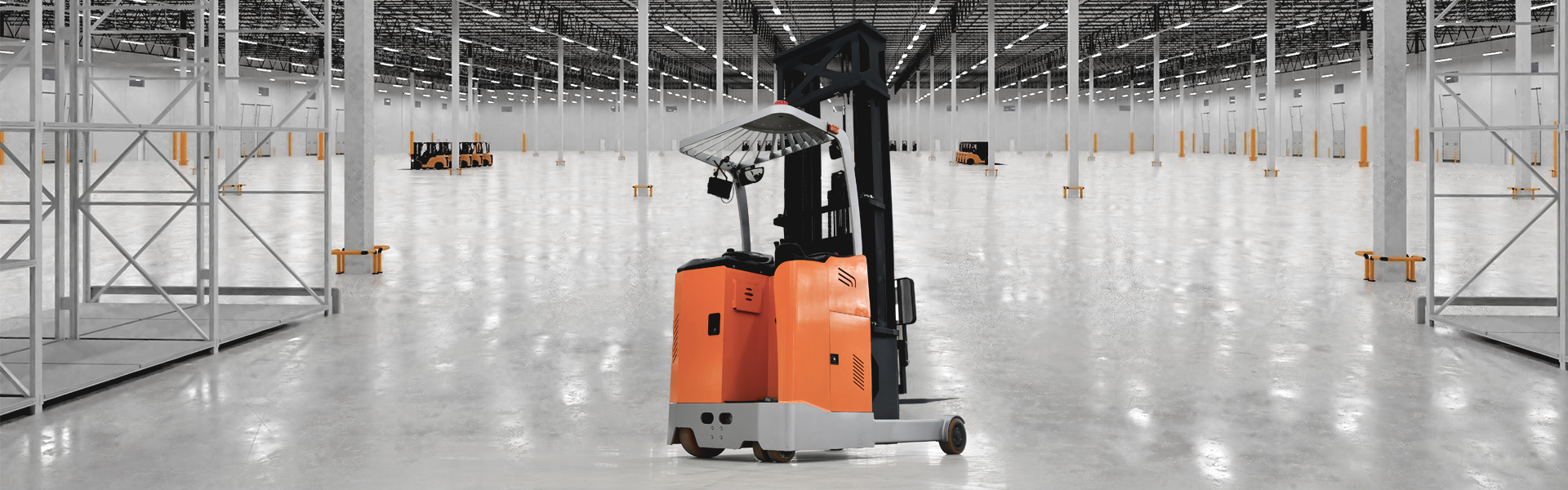
10 Essential Safety and Operation Tips for Forklift Operators
1. Personal Protective Equipment. Forklift operators must wear safety helmets, work clothes, and safety shoes throughout the entire operation. Before inspecting the forklift, ensure all personal protective measures are in place. Open-toed shoes such as sandals or slippers are strictly prohibited, as the forklift working environment is complex and exposes feet to significant injury risks.
2. Visual Inspection. Carefully inspect the forklift’s exterior, checking for any damage to the body and protective panels, ensuring the safety belt functions properly, and verifying for oil or water leaks under the vehicle. Additionally, assess the wear and damage levels of the tires.
3. Inspection of the instruments and engine operation. Engage the parking brake (handbrake), shift the gear to neutral, turn on the ignition switch, and check if the instruments display correctly. Start the engine and listen for any abnormal sounds to ensure smooth startup.
4. Inspection of lights and horn. Turn on the light control switch and sequentially check whether the headlights, side marker lights, and taillights are functioning properly. Operate the turn signal switch to verify the proper flashing of the turn signals. Press the brake pedal to confirm the brake light illuminates. Press the horn button to test whether the horn sounds normally.
5. Pedal and Steering Inspection. Press each pedal by hand to feel the resistance and determine if the free travel is appropriate; rotate the steering wheel left and right to check the steering free travel; move the steering wheel up and down and forward and backward to observe for any noticeable play, ensuring the steering system functions properly.
6. Brake system inspection. Slowly drive the forklift, press the brake pedal, and check if the driving brake is effective and whether there is any deviation; drive the forklift to a slope, engage the parking brake (handbrake), and test if it can effectively stop the vehicle.
7. Lifting and Tilting Action Inspection. Operate the lifting and tilting levers to assess whether the movements are smooth, while also checking the condition and tension of the lifting chains to ensure stable equipment operation.
8. Inspection of Forks, Fork Frame, and Mast. Check whether the forks are securely fixed, and inspect the surface for cracks or wear. Examine the fork frame and mast for deformation, as well as any weld detachment, to ensure structural safety.
9. Hydraulic System Inspection: Focus on checking for oil leakage or seepage at the lifting cylinder, tilting cylinder, hydraulic oil pipe joints, and hydraulic oil pipes to prevent hydraulic system malfunctions from affecting operations.
10. Safe Starting. Before starting, always ensure the surroundings are clear, especially when loading goods, as visibility may be obstructed. Carefully observe and confirm no pedestrians or obstacles are present before driving. The seatbelt must be fastened before moving.